
A Property Manager’s Guide to Tenant Retention Through Landscape Design
In the competitive Washington D.C. metro commercial real estate market, property managers are always seeking ways to differentiate their buildings and keep quality tenants satisfied. While amenities like fitness centers and conference rooms often grab attention, one of the most impactful yet overlooked factors in tenant satisfaction is the quality of outdoor spaces.
At Community Landscape Services, we’ve worked with property managers throughout the metroplex to transform ordinary commercial properties into spaces where tenants genuinely want to spend time. The results speak for themselves: higher tenant retention rates, increased lease renewals, and properties that command premium rents.
Why Outdoor Spaces Matter More Than Ever
The pandemic fundamentally changed how people view their work environment. Employees now prioritize access to fresh air, natural light, and spaces where they can step away from their desks. For commercial tenants, quality outdoor spaces have become a key differentiator when choosing office locations.
Consider this: a well-designed outdoor area can serve as an extension of a tenant’s office space, providing areas for informal meetings, lunch breaks, and moments for mental health throughout the workday. In this area, where office rents are high and space is at a premium, outdoor areas offer valuable square footage that doesn’t count against lease agreements.
Design Elements That Drive Tenant Satisfaction
Comfortable Seating Areas
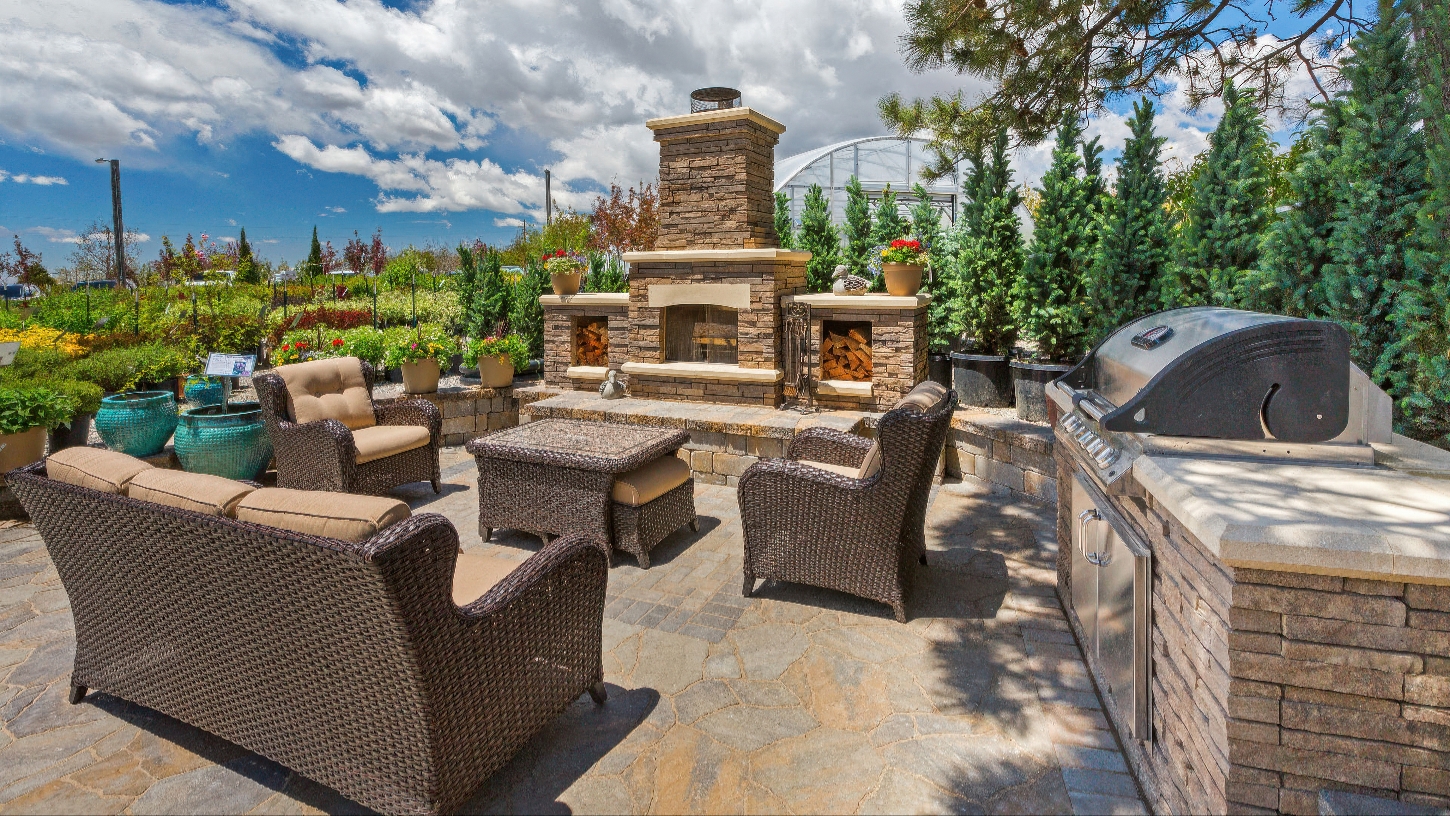
The foundation of any successful outdoor space is comfortable, durable seating. We recommend a mix of options to accommodate different uses:
Strategic Shade and Weather Protection
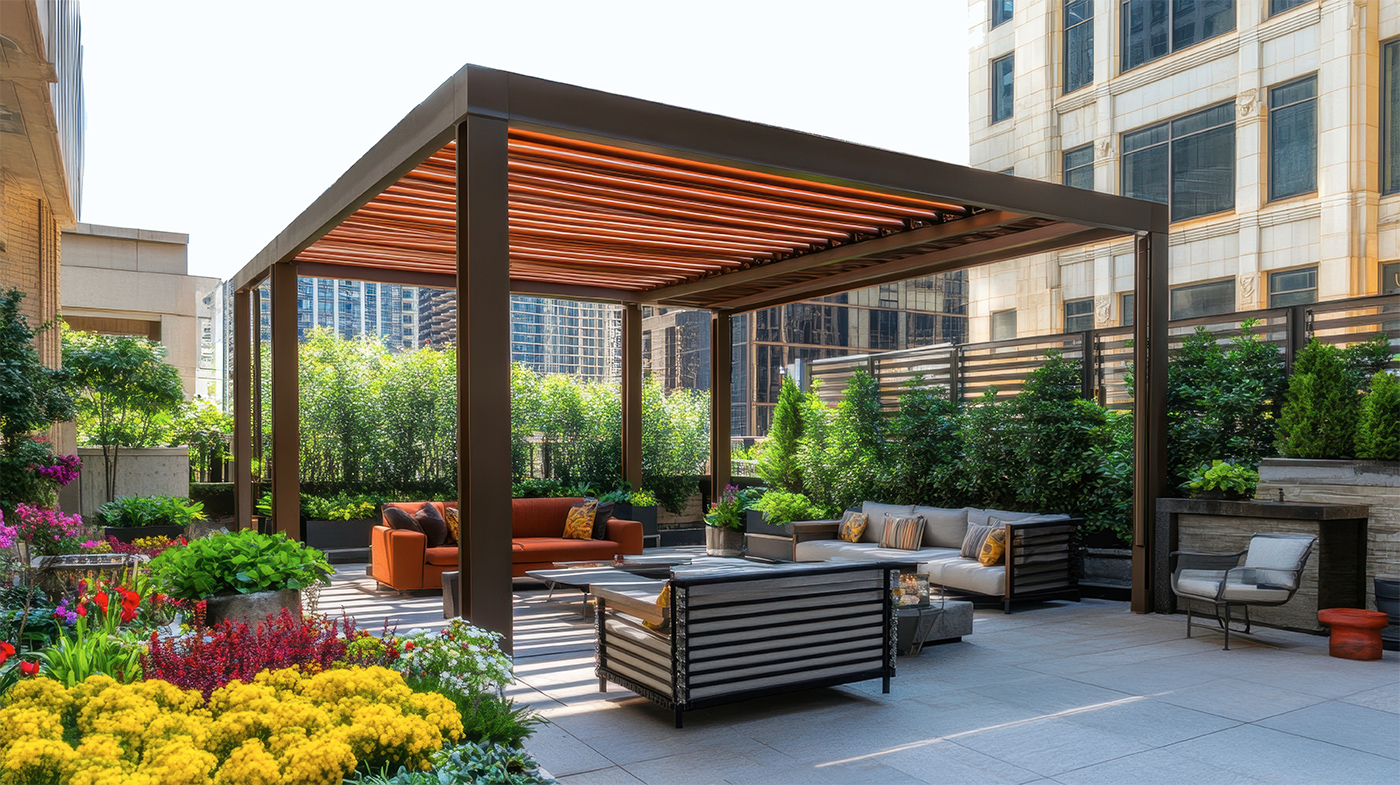
The metro area’s climate presents unique challenges. Summer temperatures regularly reach the 90s with high humidity, while winters can bring snow and ice. Successful outdoor spaces account for these seasonal variations.
Thoughtful Plant Selection
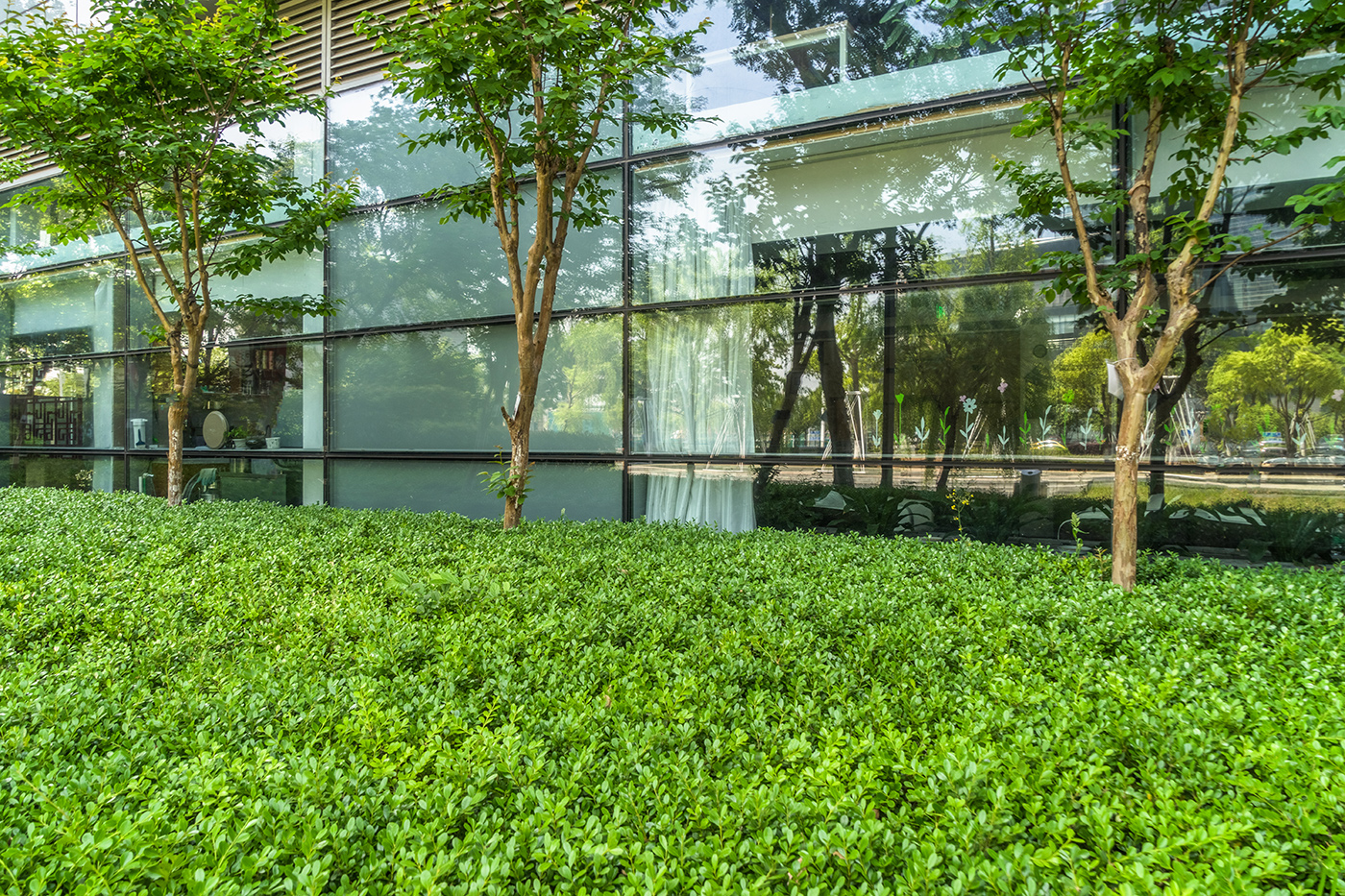
The right plantings do more than look attractive—they create an environment where people want to linger. Here are some examples that we focus on:
Functional Features That Enhance Daily Use
Flexible Lighting Solutions
Outdoor spaces that transition well from day to evening use give tenants more options for utilizing the area. Strategic lighting extends usable hours and creates ambiance for after-work gatherings or events.
Water Features and Natural Sounds
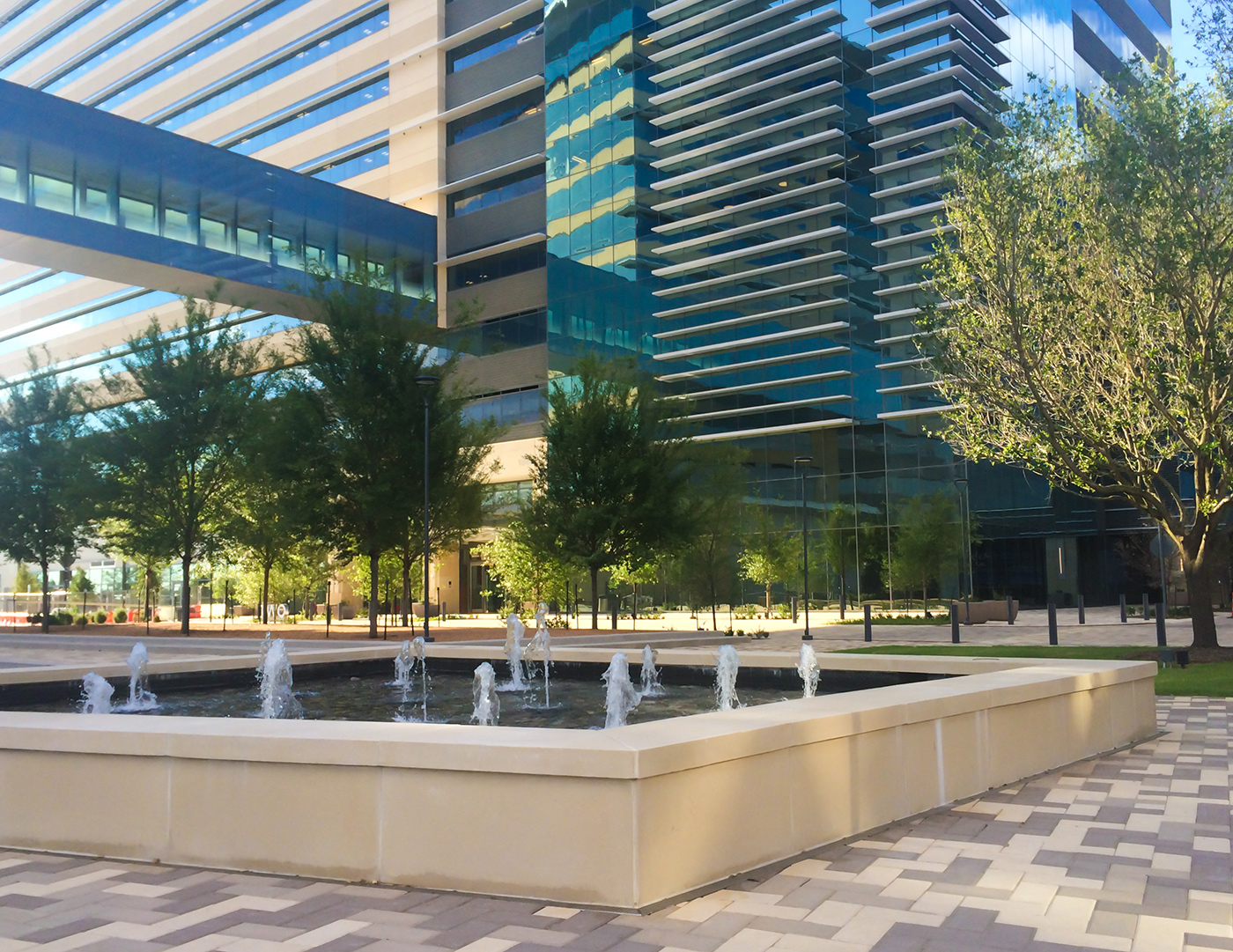
In urban environments, water features serve a practical purpose beyond aesthetics—they mask traffic noise and create a more peaceful atmosphere. A well-placed fountain or water wall can transform a space that feels too close to busy streets into a genuine retreat.
Connectivity and Convenience
Modern tenants expect to stay connected even when taking breaks outdoors. Consider incorporating:
Seasonal Programming and Maintenance
One advantage of working with a local landscape service is understanding how to keep outdoor spaces engaging throughout the distinct seasons.
Measuring Success: Tenant Feedback and Retention
The most successful outdoor space improvements we’ve implemented share one common trait: property managers actively sought tenant input during the planning process. Simple surveys that ask about preferred uses, timing of use, and desired amenities provide valuable insights that make the difference between spaces that are used and spaces that are ignored.
Regular maintenance and seasonal updates signal to tenants that the property management takes their experience seriously. This attention to detail often translates into positive lease renewal conversations and tenant referrals.
Making It Happen: Working with Professional Partners
Creating outdoor spaces that genuinely enhance tenant satisfaction requires striking a balance between aesthetic appeal, functionality, maintenance requirements, and budget considerations. The most successful projects involve collaboration between property managers who understand their tenants’ needs and landscape professionals who understand the local climate and maintenance realities.
At Community Landscape Services, we’ve found that the most effective approach starts with understanding how tenants currently use outdoor spaces (or why they don’t use them) and then designing improvements that address specific needs while enhancing the overall property appeal.
Quality outdoor spaces represent an investment in tenant satisfaction that pays dividends through improved retention, positive word-of-mouth, and the ability to command premium rents. In the competitive D.C. metro market, these spaces often make the difference between properties that struggle with vacancy and those that maintain waiting lists.